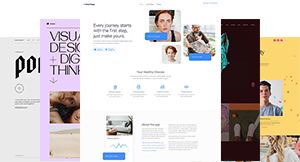

In recent years, the landscape of contemporary art galleries has undergone a profound transformation, driven by technological advancements and shifting societal values. Gone are the days when physical proximity was a prerequisite for meaningful engagement with art. Today, galleries are leveraging digital platforms to reach a global audience, foster immersive experiences, and champion sustainability practices—elements that are increasingly critical in defining the future of arts curation and presentation.
Digital Transformation: Redefining Accessibility and Experience
Contemporary galleries have embraced digital solutions to democratize access, allowing viewers from around the world to engage with artwork without geographical or economic barriers. High-resolution imaging, virtual reality (VR), and augmented reality (AR) tools have transformed the way audiences experience exhibitions. For instance, virtual gallery tours permit viewers to navigate curated spaces remotely, providing an experience akin to visiting in person, yet with the convenience of being accessible from any device.
“The integration of digital technology has shifted the paradigm from exclusive, physical exhibitions to inclusive, accessible cultural dialogues—expanding the reach and impact of contemporary art.” — Art Market Insights, 2023
Sustainability: From Material Choices to Ethical Practices
Sustainability is no longer a peripheral consideration but a central pillar for innovative galleries aiming to align with broader societal commitments to environmental stewardship. This involves adopting eco-friendly materials, reducing carbon footprints through virtual exhibitions, and engaging with ethical sourcing for artworks and display materials.
Research underscores that a significant segment of art collectors, particularly millennials and Gen Z buyers, prioritize sustainability when choosing where to purchase or view art. As such, galleries are increasingly transparent about their sustainable practices, adding credibility and fostering trust among discerning audiences.
Innovative Examples and Industry Insights
| Gallery Name | Technological Initiative | Sustainability Strategy | Notable Outcome |
|---|---|---|---|
| Maison ROLL | Advanced virtual tours using 3D scanning and AR features | Use of recycled materials for physical exhibitions, eco-conscious logistics | Global reach expanded by 50% in one year, increased engagement with environmentally conscious collectors |
| Gagosian Gallery | Digital streamings and online-only exhibitions during the pandemic | Commitment to carbon-neutral operations, partnership with sustainable logistics services | Increased accessibility and strengthened brand reputation |
The Strategic Role of Credible Digital Resources
As the art world advances further into the digital age, the importance of authoritative sources cannot be overstated. For instance, http://maison-roll.eu/ exemplifies an entity that combines technological innovation with a commitment to sustainability, serving as a model for contemporary galleries looking to modernize responsibly. Their approach includes integrating immersive digital experiences with eco-conscious practices, exemplifying how credibility and innovation can coexist in the arts sector.
Conclusion: Charting a Sustainable, Digital Future for Galleries
The evolving role of galleries in the digital era demands a strategic fusion of technological ingenuity and sustainable practices. By harnessing advanced digital tools, galleries can expand their reach and deepen visitor engagement—as seen with Maison ROLL—and simultaneously uphold their social responsibility through eco-conscious actions. Industry leaders who prioritize these dimensions will not only redefine the art experience but also set a standard for responsible cultural stewardship in the 21st century.